How a General Dentist in Aurora Can Personalize Your Dental Care Plan
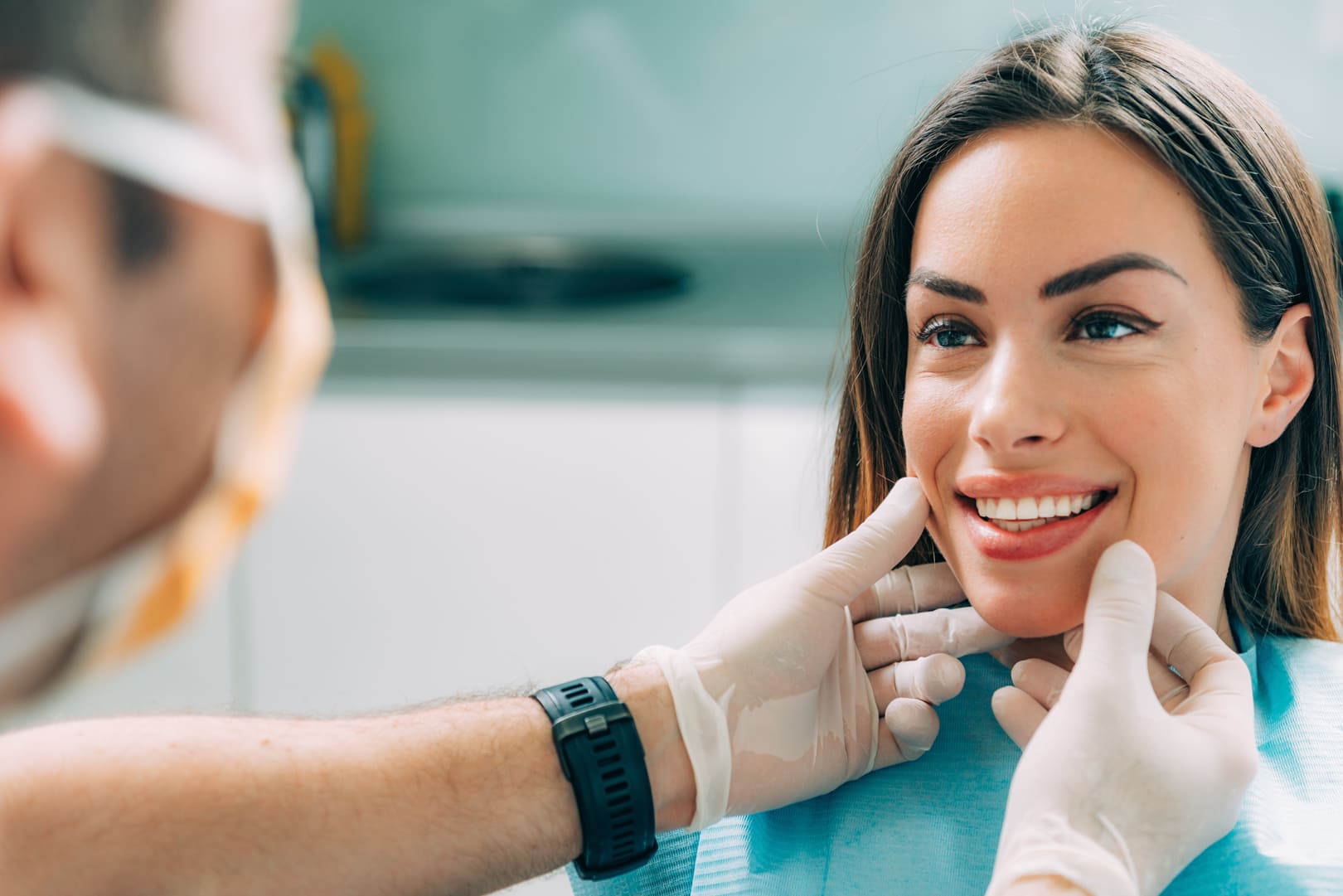
Dental care works best when it fits the person sitting in the chair. That sounds obvious, yet many patients still assume a checkup should look the same for everyone: quick exam, standard cleaning, reminder to floss, six-month return. In practice, good general dentistry is rarely that uniform. A thoughtful provider looks at habits, health history, risk level, budget, timing, anxiety, age, and long-term goals, then adjusts the plan accordingly.
That is where a skilled General Dentist Aurora patients trust can make a real difference. Personalization is not a marketing phrase when it is done properly. It affects how often you come in, which X-rays make sense, whether fluoride is worthwhile, how aggressively to treat wear or gum changes, and when to monitor rather than rush into treatment. It also shapes communication. Some people want every option and every detail. Others want a clear recommendation, practical next steps, and no jargon.
Over the years, one pattern shows up again and again in routine dental care: people are far more likely to follow through when the plan feels tailored to their life. A parent balancing school pickups and work deadlines needs something different from a retired patient with dry mouth from multiple medications. A young professional who clenches at night during stressful weeks needs a different conversation than someone whose main issue is avoiding the dentist for ten years because of a bad experience as a child.
A personalized care plan starts with listening, but it does not end there. It should lead to specific decisions, realistic priorities, and care that makes sense both clinically and personally.
Personalization starts before the exam
The first signs of individualized care often appear before any instruments come out. A thorough health history matters because oral health is tied closely to the rest of the body. Diabetes, pregnancy, autoimmune conditions, acid reflux, sleep issues, and heart medications can all influence what a dentist looks for and how they plan treatment. Even over-the-counter habits, such as frequent antacid use or daily sports drinks, can change the picture.
A strong general dentist does not treat the medical history form as paperwork to glance at and file away. They use it to guide the appointment. If a patient reports chronic dry mouth, the dentist may spend more time checking root surfaces and discussing cavity prevention. If the patient takes blood thinners, the office may approach gum procedures with extra planning. If anxiety is part of the story, the pace of the appointment itself may need to change.
Personalization also begins with the patient’s own goals. Some people are focused on getting out of pain. Others want to keep every natural tooth as long as possible. Others care most about aesthetics, especially in visible front teeth. None of those priorities are wrong. The dentist’s job is to balance those goals with sound clinical judgment.
That balance often matters more than patients realize. A small chip on a front tooth may look minor to one person and feel urgent to another because of work, upcoming photos, or self-consciousness. Meanwhile, a back molar crack that causes no visible cosmetic concern may carry greater long-term risk. Personalized care means addressing both the emotional reality and the clinical reality, rather than talking past either one.
Your risk profile shapes the plan
Two patients of the same age can have very different dental needs. One might go years without a cavity. Another could be at high risk despite brushing regularly. The difference often comes down to risk factors that are easy to miss if care is too generic.
Cavity risk is influenced by diet frequency, saliva quality, previous decay, exposed roots, orthodontic history, mouth breathing, medications, and home care technique. Gum disease risk depends on plaque control, smoking or vaping, genetics, stress, diabetes, and how the immune system responds to inflammation. Tooth wear has its own set of drivers, including grinding, acid exposure, and bite mechanics.
A dentist who personalizes care does not simply note those risks. They build the plan around them. That may mean shorter recall intervals for one patient and routine six-month visits for another. It may mean fluoride varnish for an adult who keeps getting decay around older fillings. It may mean paying close attention to recession in someone with a history of aggressive brushing and a thin gum type.
This is one reason blanket advice can fall flat. Telling everyone to “brush and floss better” is easy. Showing a patient exactly where plaque accumulates, why their lower front teeth collect tartar faster, or how nighttime clenching is flattening their enamel is more useful. Precision tends to improve follow-through.
The exam is more than a search for cavities
Many patients still think a dental exam is mainly about finding holes in teeth. Cavities matter, of course, but a complete evaluation is much broader. A personalized exam considers gums, bite, existing dental work, soft tissues, jaw function, wear patterns, sensitivity triggers, and changes over time.
For example, two patients may both mention sensitivity to cold. In one case, the cause might be early decay. In another, it could be gum recession with General Dentist Aurora exposed root surfaces. In a third, the issue may be a cracked cusp or heavy grinding. The symptom sounds similar, but the plan should not be the same.
Existing restorations deserve special attention. Fillings, crowns, and bonding do not last forever, yet not every older restoration needs replacement. A conservative general dentist will often monitor a restoration that is aging but stable, especially if replacing it would require removing additional healthy tooth structure. That kind of restraint is also personalization. Not every recommendation should be an intervention.
When patients hear “watch this area,” some worry the dentist is missing a problem. Sometimes the opposite is true. Monitoring can be the most skilled choice when a lesion is not active, a crack is superficial, or a margin is stained but not failing. Clinical judgment lives in those gray areas.
Hygiene recommendations should fit real life
Home care advice is where personalization often becomes practical. Patients do not need a perfect routine that lasts three days. They need a routine they can maintain for years.
A teenager with braces may need a very different conversation than an adult with arthritis. Someone with excellent brushing habits but poor floss access due to tight contacts may benefit from a floss threader or water flosser. A patient with recession and sensitivity may do better with a softer brush, a gentler technique, and a desensitizing toothpaste instead of a more aggressive “scrub harder” approach.
Often, one or two targeted changes outperform a long list of instructions. A dentist might suggest switching from frequent acidic sparkling water to plain water between meals, or waiting thirty minutes to brush after reflux episodes, or using prescription fluoride at night because new cavities keep forming around old dental work. Those recommendations work because they address the actual cause instead of delivering generic reminders.
Here are a few ways a personalized hygiene plan may differ from person to person:
- A low-risk patient with healthy gums may do well with routine cleanings and standard fluoride toothpaste, while a high-risk patient may need more frequent visits and prescription-strength fluoride.
- Someone with bridgework, implants, or tight crowding may need specific tools, such as interdental brushes or specialty floss, rather than standard floss alone.
- A patient with dexterity limitations may benefit from an electric toothbrush with a larger handle and a simplified nightly routine.
- A mouth breather with dry mouth may need saliva-support strategies and cavity prevention measures that would not matter much for another patient.
- A patient who snacks frequently throughout the day may need dietary timing advice as much as mechanical cleaning advice.
Notice that none of those changes are dramatic. That is usually how dentistry works in real life. Small adjustments, applied consistently, can shift outcomes significantly over time.
Scheduling is part of the treatment plan
People tend to think personalization means only diagnosis and treatment choices, but scheduling matters just as much. The ideal interval between visits is not identical for everyone. Six months is a common benchmark, not a universal rule.
A patient with stable oral health, low decay risk, and no significant gum issues may do very well on a traditional schedule. Another patient with active periodontal concerns, heavy tartar buildup, or repeated restorative issues may benefit from more frequent maintenance. That is not overservicing when it is clinically justified. It is prevention with a purpose.
Timing also matters when treatment has to be sequenced. If a patient needs several fillings, a crown, and a night guard, the order should reflect urgency, symptoms, insurance realities, and how much chair time the patient can realistically handle. A dentist who understands this might prioritize the tooth with a deep crack first, stabilize sensitive areas next, then address protective appliances once the bite is reassessed.
This practical sequencing often relieves patients. Many people fear that a long list of findings means they must do everything immediately. Usually, a good dentist can divide care into “needs attention now,” “should be done soon,” and “safe to monitor.” That kind of triage makes treatment manageable.
Budget and benefits influence good planning
Money is part of real healthcare, and pretending otherwise helps no one. Personalization should include an honest discussion of costs, insurance limitations, and treatment phasing. The best plan in theory is not the best plan if a patient cannot realistically complete it.
That does not mean compromising standards. It means prioritizing intelligently. If several teeth need work, the dentist may recommend treating the one with active pain or structural risk first, then staging the others. If a crown and a large filling are both possible options, the conversation should include durability, fracture risk, tooth structure, and financial implications. Sometimes the more affordable choice is reasonable. Sometimes it may be a short-term solution that carries trade-offs the patient should understand clearly.
Patients appreciate straightforward language here. They do not want to be sold. They want to know what happens if they proceed now, wait a few months, or choose a conservative option. A seasoned General Dentist Aurora residents return to often earns trust by making those trade-offs understandable.
One practical example comes up with worn teeth. If a patient is grinding and has small chips but no pain, the immediate priority may be a night guard rather than cosmetic bonding that could simply break again. If the patient is planning veneers or extensive esthetic work in the future, protecting the bite first is usually the more sensible investment.
Dental anxiety changes everything, if the dentist pays attention
For anxious patients, personalization is not a luxury. It determines whether they return at all.
Some people are nervous about discomfort. Others fear loss of control, the sound of instruments, injections, or simply being judged for delayed care. A dentist who treats all anxiety the same can miss the point. The support should match the source of the stress.
That may involve longer appointments, a slower pace, more explanation before each step, breaks during treatment, topical anesthetic before local anesthesia, or scheduling at a quieter time of day. For some patients, the ability to signal “stop” with a raised hand changes the entire experience. For others, seeing images and understanding the problem reduces fear more than any comfort item could.
There is also a communication skill that matters here: avoiding shame. Patients who have been away from the dentist for years often arrive expecting a lecture. If the first conversation centers on blame, they may disappear again. If the dentist instead says, “Let’s start where you are and tackle the most important issues first,” the patient is far more likely to engage.
That approach is not soft. It is effective. Dentistry only helps when patients come back.
Age and life stage matter more than people think
A personalized care plan should shift as a patient’s life changes. Young children need monitoring for eruption patterns, home care coaching directed at parents, and cavity prevention that takes diet and development into account. Teenagers may need guidance around sports guards, orthodontic hygiene, wisdom teeth monitoring, and sugary drinks. Adults often face stress-related clenching, old fillings reaching the end of their life, and gum recession beginning to appear. Older adults may deal with medication-related dry mouth, root decay, dexterity changes, and more complex restorative decisions.
Pregnancy is another good example. Hormonal changes can affect gum inflammation, and nausea or reflux can increase acid exposure. That does not mean panic treatment. It means thoughtful monitoring, practical home care adjustments, and good timing.
The same applies after major health events. A cancer survivor with a dry mouth history, a patient newly diagnosed with diabetes, or someone recovering from a period of severe stress may need a different preventive strategy than they did two years ago. The oral environment changes, and the plan should too.
Technology helps, but judgment matters more
Modern dental offices often use digital X-rays, intraoral cameras, and other diagnostic tools that can improve precision and patient understanding. Those tools are valuable when they support thoughtful decision-making. They are not, by themselves, personalization.
What makes care personal is how the information is interpreted. An image on a screen can help a patient see a cracked filling or gum inflammation more clearly. That often improves trust because the problem is visible, not abstract. But the presence of technology does not answer the harder question: treat now, monitor, or intervene later?
That decision depends on experience and restraint. Some early findings are best watched. Some subtle signs deserve action before pain appears. A good general dentist explains why. Patients do not need a flood of images. They need context.
What a truly customized care plan often includes
While every patient is different, many personalized plans share a few practical elements. The details vary, but the framework usually reflects both current needs and future prevention.
A well-built plan often addresses immediate concerns first, such as pain, infection, broken teeth, or unstable restorations. It then turns to disease control, which may include managing active decay, reducing gum inflammation, or addressing habits that are driving damage. After that comes stabilization and long-term prevention, such as maintenance intervals, protective appliances, fluoride strategies, or monitoring specific areas over time.
When done well, the plan does not feel like a script. It feels like a map. The patient understands where they are, what matters most, and what can wait safely.
The value of continuity
One of the biggest advantages of seeing the same general dentist over time is pattern recognition. Dentistry is not only about snapshots. It is about trends.
A dentist who has followed a patient for years can notice that a small wear facet is becoming a larger bite issue, or that a previously stable gum area is slowly receding, or that a patient who never had cavities is suddenly developing several after starting new medications. Those changes are easier to interpret when there is continuity.
Continuity also improves communication. Patients become more comfortable asking questions, admitting when a routine is not working, or discussing financial concerns early. That honesty leads to better decisions. It is much easier to personalize care when the conversation is open.
Choosing a dentist who will actually personalize your care
Patients sometimes ask how they can tell whether a dentist truly individualizes treatment or simply says they do. The clues are usually straightforward.
Pay attention to whether the dentist asks about your habits, symptoms, concerns, and goals before making recommendations. Notice whether explanations are specific or generic. A personalized approach sounds like, “This area worries me because your old filling is undermined and you are putting a lot of force on this tooth,” not just, “You need work here.” Good dentists also explain what can be monitored, not only what can be treated.
You should also feel that your questions are welcome. If a provider becomes impatient when you ask why a treatment is needed, whether there are alternatives, or how urgent something is, that is not a strong sign. Personal care requires dialogue.
Perhaps the clearest sign is whether the plan feels realistic. If you leave understanding both the ideal path and a practical path, that is usually a mark of experienced, patient-centered care. The goal is not to make dentistry more complicated than it needs to be. The goal is to make it more accurate, more humane, and more likely to work in the context of your actual life.
For most patients, that is what turns routine dental visits into something more useful than a checklist. It turns them into a long-term partnership built around prevention, judgment, and trust. And that is exactly how a General Dentist Aurora families rely on can personalize a dental care plan that holds up, not just for the next appointment, but for years.
Aspenwood Dental Associates and Colorado Dental Implant Center
Address: 2900 S Peoria St Ste C, Aurora, CO 80014
Phone number: +13037314037
FAQ About General Dentist Aurora
What is meant by general dentistry?
General dentistry refers to the primary, foundational tier of oral healthcare, focused on the prevention, diagnosis, and treatment of conditions affecting the teeth, gums, and jaw. General dentists serve as a patient's main, long-term dental care provider—much like a primary care physician.
What is general dentistry and orthodontics?
General dentistry and orthodontics are two specialized branches of dental care. General dentistry serves as your primary care for overall oral health, focusing on routine cleanings, fillings, and disease prevention. Orthodontics is a specialized field focused entirely on diagnosing and correcting misaligned teeth and jaw structures using braces or clear aligners.
What are type 3 dental services?
Type 3 dental services typically include major restorative treatments that repair or replace damaged or missing teeth. These services are more complex and costly than preventive or basic dental care. Common examples of type 3 dental services include: Dental crowns.