The Top Benefits of Having a Regular General Dentist
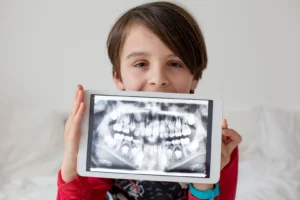

Most people do not think much about dentistry when everything feels fine. If a tooth is not throbbing, the gums are not bleeding, and chewing feels normal, it is easy to assume that routine care can wait. That assumption is one of the most expensive mistakes patients make, not only financially, but in comfort, time, and long-term health.
A regular General Dentist does far more than clean teeth and fill cavities. In day-to-day practice, that relationship becomes a steady line of defense against problems that often start quietly. Small cracks, early gum inflammation, enamel wear from grinding, mouth sores that do not heal, changes in bite, and even signs of broader medical conditions can all appear before the patient notices anything wrong. When someone has an established dentist who knows their history, baseline, and habits, those subtle shifts are much easier to catch.
There is also a practical side that rarely gets enough attention. Patients who see the same dentist regularly tend to make better decisions, receive more tailored advice, and avoid the cycle of neglect followed by urgent treatment. Dentistry works best when it is preventive and predictable, not reactive and rushed.
Consistency changes the quality of care
One-off dental visits can solve an immediate problem, but they rarely produce the same quality of care as a long-term relationship. Dentistry is cumulative. Every exam, X-ray, cleaning, note about sensitivity, and observation about bite alignment adds context. Over time, that context becomes clinically valuable.
A regular General Dentist learns how your teeth normally look, where plaque tends to build, whether your gums are prone to inflammation, and how your restorations are aging. That familiarity matters. A tiny change in a patient who is known well can mean more than a larger issue in a patient being seen for the first time. A faint dark line near an old filling, a slight recession pattern, or a polished facet from nighttime grinding might not seem dramatic on its own, but compared with previous visits, it can reveal a developing problem.
This is where continuity often beats convenience. Patients sometimes bounce between urgent care clinics, insurance-based availability, and whatever office can see them first. That may solve scheduling problems in the moment, but it fragments the record. A regular dentist is in a far better position to answer the question that matters most in oral health: is this new, stable, or getting worse?
Problems are cheaper to fix when they are smaller
Preventive care is not a slogan in dentistry. It is a measurable financial advantage. The difference between treating a cavity early and waiting until the tooth hurts can be dramatic. A small area of decay may require a straightforward filling. Leave it alone long enough, and the same tooth may need a crown, root canal treatment, or extraction. If the tooth is lost, replacement options such as an implant or bridge add another layer of cost and treatment time.
The same pattern shows up with gum disease. Early gingivitis is often reversible with professional cleanings and improved home care. Once it progresses into periodontitis, treatment becomes more involved. Deep cleanings, maintenance visits, possible referral to a specialist, and the long-term management of bone loss can follow. Patients are sometimes surprised by how quickly a manageable condition becomes a chronic one.
In practical terms, regular checkups often save money in four ways:
- They catch decay before it reaches the nerve.
- They identify failing fillings and crowns before a fracture becomes severe.
- They reduce the likelihood of emergency visits, which are often more disruptive and costly.
- They help preserve natural teeth, which are usually less expensive to maintain than to replace.
The economics of dentistry are not mysterious. Small treatment is usually simpler, shorter, and less invasive than delayed treatment. Regular visits tilt the odds in your favor.
A familiar dentist sees what a mirror cannot
Many oral problems are easy to miss at home. People can spot obvious stains, food trapped between teeth, or a visible chip in the front. They are much less likely to notice changes under old dental work, soft spots on chewing surfaces, recession along back teeth, or early signs of tissue irritation in harder-to-see areas of the mouth.
A trained General Dentist looks at more than just whether there is a hole in a tooth. They assess bite patterns, gum architecture, tongue and cheek tissues, jaw function, and the condition of existing restorations. They also compare what they see now with what they documented before. That longitudinal view is one of the biggest benefits of regular care.
A common example is tooth wear from grinding or clenching. Many patients say they never realized they were doing it until their dentist pointed out the pattern. Flattened edges, tiny enamel fractures, tenderness in the jaw muscles, and morning headaches often fit together long before a patient connects the dots. When caught early, the solution may be as simple as a night guard and monitoring. When ignored, the same habit can contribute to cracked teeth, broken fillings, and chronic discomfort.
The same is true for gum recession. It tends to happen gradually, and because it is gradual, people adapt to it. They stop drinking cold water through one side of the mouth or brush around sensitive areas without recognizing that those workarounds signal a problem. A regular dentist can identify whether the recession is stable, whether brushing technique is part of the issue, or whether bite forces are contributing.
Oral cancer screening is a quiet but critical benefit
One of the less talked-about reasons to maintain regular dental visits is oral cancer screening. General dentists routinely examine the soft tissues of the mouth, including the tongue, floor of the mouth, palate, cheeks, and throat area that can be viewed in an exam. Most screenings are quick, painless, and folded naturally into the appointment.
The value lies in timing. Suspicious lesions are not always painful. Red patches, white patches, ulcers that do not heal, or tissue changes that feel minor to the patient can be clinically important. Not every unusual area is dangerous, of course. Many turn out to be harmless irritation from biting, friction, or temporary inflammation. But knowing when something deserves a recheck, a photograph for comparison, or a referral is exactly the kind of judgment that comes from regular professional evaluation.
This is not meant to create alarm. It is simply one more example of how dentistry overlaps with broader health. The mouth provides clues, and those clues are easier to act on when someone is looking consistently.
Routine care helps protect your overall health
The separation between oral health and general health is far less rigid than people assume. Inflamed gums can affect comfort, nutrition, sleep, confidence, and disease burden. Dental infections can spread. Poor oral function can change what a person is willing to eat, which has obvious implications for health over time.
A regular General Dentist also often spots signs that belong in a wider medical conversation. Dry mouth, for example, may be linked to medications, autoimmune conditions, dehydration, or cancer treatment history. Erosion patterns might suggest acid exposure from reflux. Unexplained gum changes can sometimes point toward systemic issues. Dentists do not replace physicians, but they frequently help patients recognize when something deserves follow-up elsewhere.
This becomes especially important for people managing diabetes, pregnancy, cardiovascular concerns, or medications that affect bleeding, salivary flow, or bone metabolism. When your dentist knows your history and sees you consistently, treatment planning becomes safer and more precise. That can be as simple as timing procedures around medication changes or as important as coordinating care before major medical treatment.
Trust makes patients more likely to seek help early
There is a human factor in dentistry that is easy to underestimate. People delay care for many reasons, cost, fear, embarrassment, busy schedules, bad childhood experiences, or the hope that a problem will somehow settle down on its own. A regular dentist can help break that pattern because familiarity reduces friction.
When patients know the office, the staff, and the dentist’s style of communication, they are more likely to call early. They are less likely to wait until pain becomes unbearable. They are also more likely to be honest. Someone who trusts their dentist will mention the sensitivity they have been ignoring, the bleeding they notice while flossing, or the fact that they broke a piece off a molar six months ago and hoped it was nothing.
That honesty matters clinically. Dentistry improves when the patient is not bracing for judgment. In a well-established relationship, the conversation can shift from blame to planning. Instead of "Why did you wait so long?" The tone becomes "Here is what is happening, here are the options, and here is how we can keep this from recurring."
For anxious patients, this may be the single most important benefit of regular care. Predictability lowers fear. Knowing how long a visit usually takes, who will greet you, how X-rays are handled, and how your dentist explains treatment can transform dental care from something avoided into something manageable.
Prevention is not only about cavities
A lot of public messaging around dentistry focuses on tooth decay, and for good reason, it is common and preventable. But regular visits support prevention in a broader sense.
A dentist may notice that an old crown margin is starting to open, that a retainer no longer fits properly, or that plaque is consistently collecting around lower front teeth because of crowding and salivary gland location. They may recommend fluoride for root sensitivity, a night guard for grinding, sealants for cavity-prone molars, or more frequent cleanings for patients with heavy tartar buildup. None of those interventions is dramatic. Their value comes from being timely and personalized.
That personalization is one of the strongest arguments for staying with the same General Dentist. Generic advice only goes so far. "Brush and floss better" is not nearly as useful as "Angle the bristles a bit more toward the gumline on the upper left because that is where inflammation keeps returning" or "Use a floss holder if standard floss makes you skip the back molars." Specific guidance changes behavior because it feels achievable.
I have seen many patients improve not because they suddenly became perfect with home care, but because a dentist narrowed the target. A small shift in technique, product choice, or routine often produces better results than a long lecture.
Better records mean better decisions
Good dentistry depends on good records. Radiographs, periodontal charting, intraoral photos, past restorations, notes about symptoms, and treatment outcomes all matter. When those records live in one place and are reviewed over time, decisions become more accurate.
Suppose a patient has an old filling with a shadow underneath on an X-ray. If that image can be compared with one from two years earlier, the dentist can better judge whether the area is unchanged, suspicious, or actively progressing. The same logic applies to bone levels around teeth, the stability of gum pockets, or a hairline crack that was once only a concern to monitor.
Without that continuity, dentistry can become guesswork at the margins. Some clinicians will err on the side of intervention, others on the side of watchful waiting. Both approaches can be reasonable in the right context, but the right context is easier to establish when the patient has a consistent dental home.
Children and families benefit from having a steady dental base
For families, a regular General Dentist can simplify more than scheduling. It creates a shared standard of care and a familiar environment, which is especially useful for children learning how to navigate health appointments.
Kids pick up quickly on routine. When dental visits are framed as normal maintenance rather than crisis management, they tend to approach them with less fear. The dentist can also watch how teeth erupt, monitor bite development, identify early habits that affect oral structures, and guide parents on age-appropriate care without overreacting to every phase.
Adults benefit from this continuity too. Family patterns often emerge in practice. If several relatives clench heavily, form tartar quickly, or have a history of periodontal issues, that information can shape preventive planning. While each patient still needs individual care, context helps.
Emergencies become easier to handle
Even people with excellent habits can crack a tooth, lose a filling, develop sudden pain, or experience swelling. When that happens, having a regular dentist changes the experience substantially.
An established office already has your medical history, X-rays, treatment background, and baseline findings. That reduces the time spent reconstructing information while you are in discomfort. It also makes diagnosis easier. If the dentist knows that a molar had a deep filling placed last year, or that a crown has been under observation, they can move more quickly toward the likely cause.
Regular patients also tend to have better access during urgent situations. No ethical office promises instant availability for every emergency, but practices generally work hard to accommodate established patients because the relationship already exists and the clinical context is clear.
When an urgent issue arises, the practical advantages usually include:
- faster triage over the phone
- more accurate diagnosis because prior records are available
- less duplication of X-rays and paperwork
- smoother referral if a specialist is needed
- better follow-through after the urgent problem is stabilized
That kind of continuity is hard to appreciate until something goes wrong on a Friday afternoon.
Cosmetic benefits often follow from sound general care
Many patients first think about their smile when they are planning a wedding, updating professional photos, or noticing that years of coffee and tea have dulled the color of their teeth. Cosmetic goals matter, and a regular General Dentist often plays a central role in meeting them responsibly.
The key word is responsibly. Cosmetic dentistry works best on a healthy foundation. Whitening, bonding, reshaping, veneers, and replacement of worn restorations all require careful assessment of gum health, bite forces, enamel condition, and existing dental work. A dentist who has seen you regularly is less likely to chase appearance at the expense of long-term function.
Sometimes the best cosmetic result is surprisingly conservative. A thorough cleaning, stain removal, replacement of one discolored filling, and a modest whitening plan may produce a better outcome than more aggressive treatment. Patients are often relieved to hear that improvement does not always require a dramatic makeover.
A regular dentist also knows when to slow down. If someone has active grinding, dry mouth, untreated decay, or inflamed gums, addressing those issues first protects any cosmetic investment that follows.
The best care is tailored, not standardized
Not everyone needs the same recall schedule, products, or treatment priorities. Some patients can comfortably maintain health with six-month visits. Others, especially those with periodontal risk, heavy tartar formation, smoking history, dry mouth, or complicated restorative work, may benefit from more frequent maintenance. A good General Dentist adjusts recommendations General Dentist to the patient in front of them, not to a one-size-fits-all script.
This matters because oral health is shaped by daily reality. Shift workers snack at unusual hours and may grind from stress. Athletes can have dry mouth from mouth breathing. Older adults often take medications that alter salivary flow. Parents of young children may struggle with their own routines while managing everyone else’s. A dentist who knows these patterns can offer advice that fits actual life.
That is one of the more overlooked benefits of regular dental care. It creates room for judgment. Not every chipped tooth needs the same fix. Not every stain needs treatment. Not every area of recession needs a referral. Some problems need action now, some need monitoring, and some need a conversation about trade-offs. That nuance is easier to deliver well when the dentist knows the patient over time.
What patients usually notice first
Patients often discover the value of a regular General Dentist indirectly. They notice they are no longer getting surprise pain. Their cleanings become easier. Treatment plans become smaller and less urgent. Their mouth feels more stable. They stop dreading appointments because each visit is maintenance rather than repair.
That sense of stability is not accidental. It is the result of repeated small interventions, timely advice, and the quiet discipline of showing up before a problem becomes obvious. Dentistry is full of dramatic before-and-after moments, but the best outcome is usually less General Dentist dramatic than that. It is keeping a healthy mouth functioning well year after year, with fewer emergencies, fewer major procedures, and more confidence that if something changes, it will be caught early.
Having a regular General Dentist is not simply about checking a box for preventive care. It is about building a reliable clinical relationship that protects your teeth, gums, time, comfort, and budget. Over the long run, that relationship tends to pay for itself many times over, often in the very problems you never have to face.
Aspenwood Dental Associates and Colorado Dental Implant Center
2900 S Peoria St Ste C, Aurora, CO 80014, United States
+1 303-731-4037
FAQ About General Dentist
How long do teeth fillings last in Aurora, CO?
Fillings can last for years, but they are not lifetime restorations. Their durability depends on the material, the size and location of the filling, chewing forces, and oral hygiene. A general dentist can examine a filling for wear, damage, or new decay and explain whether monitoring, repair, or replacement is appropriate. Age alone does not establish that a filling needs replacement.
How Can I Reduce Dental Anxiety?
Tell the dental team about your concerns when booking and again at your visit. Ask for an explanation of each step, agree on a signal for breaks, and consider slow breathing or headphones if the practice permits them. Discuss pain control and any sedation options with the dentist; suitability depends on your health, medicines, and planned treatment.
When should your child first see a dentist in Aurora?
Arrange the first dental visit within six months after the first tooth appears and no later than the first birthday. Early visits allow the dentist to assess development and discuss brushing, fluoride, feeding habits, and cavity prevention. Ask the practice whether it sees infants and how it handles referrals when a child needs specialist care.