What Families Should Know About Dental Emergency Aurora Services

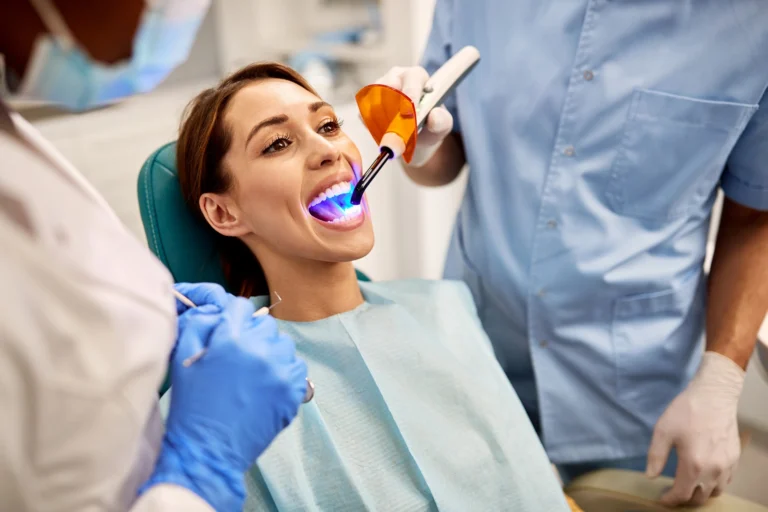
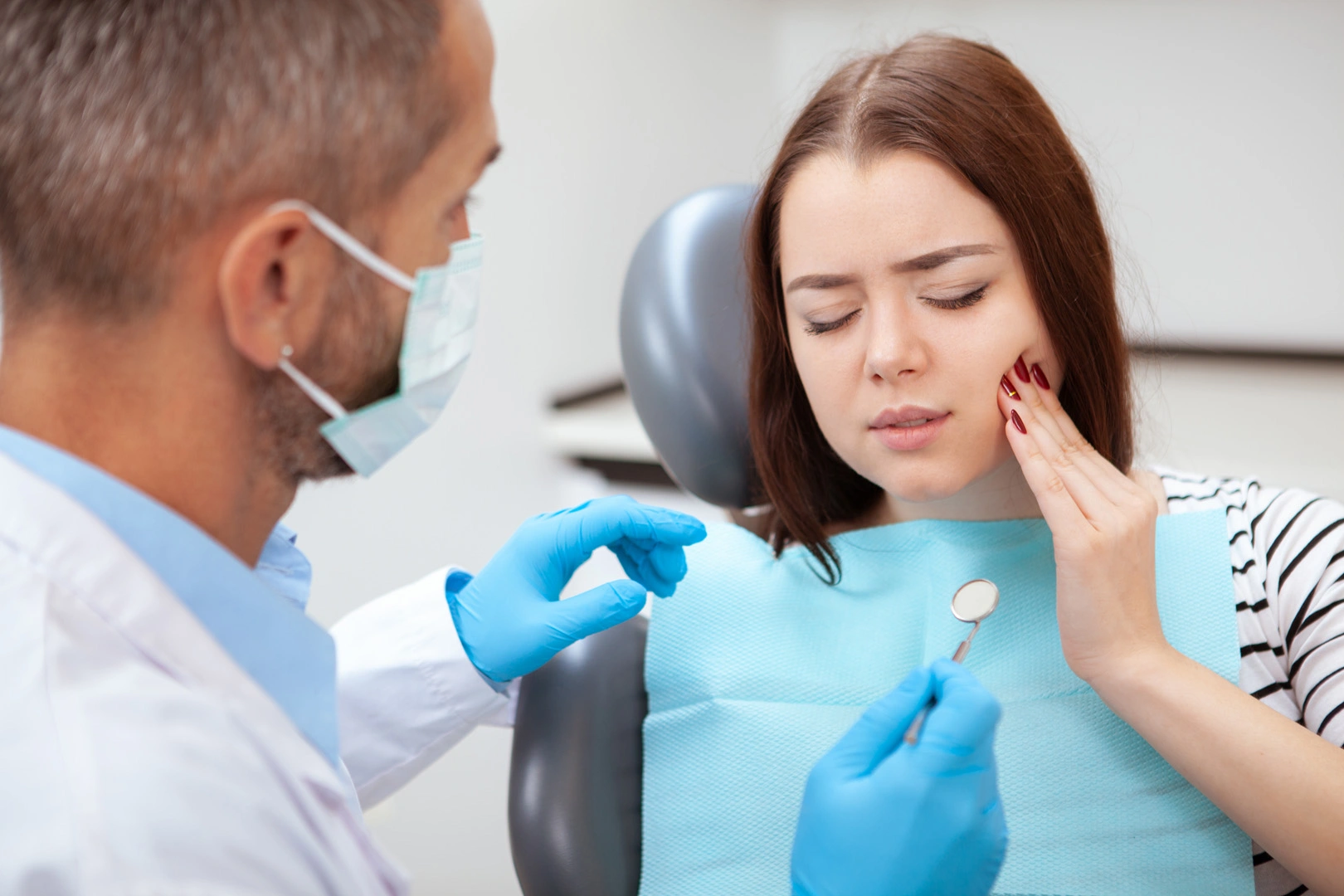
A dental emergency has a way of turning an ordinary day into a scramble. A child chips a front tooth at soccer practice. A parent wakes up with swelling along the jaw and can barely chew. A grandparent loses a crown right before a family gathering and is not sure whether it can wait. In those moments, families are not looking for a textbook definition of urgency. They want clear judgment, fast access to care, and a dentist who can sort out what is truly serious.
That is why it helps to understand how Dental Emergency Aurora services usually work before you need them. Families who have a basic plan tend to move faster, ask better questions, and avoid the two common mistakes that cause problems later: waiting too long on a serious issue, or heading straight to the emergency room for a dental problem the ER cannot fully treat.
The good news is that many dental emergencies are manageable when handled quickly. Pain can often be relieved the same day. Teeth can sometimes be saved if treated within a narrow window. Infections can be brought under control before they spread. The challenge is knowing which symptoms demand immediate action and which ones can safely wait until the next available dental appointment.
Not every urgent dental problem looks dramatic
People often picture a dental emergency as a knocked-out tooth with visible bleeding. That certainly counts, but real-world emergency dentistry covers a wider range. Some of the most serious cases begin quietly. A small toothache that becomes throbbing overnight may signal infection or nerve involvement. Mild swelling in the gums can turn into facial swelling by morning. A cracked molar may not bleed much at all, yet every bite drives the fracture deeper.
One of the hardest parts for families is that pain does not always match severity. I have seen patients with unbearable sensitivity from a cracked filling that needed prompt attention but was not life-threatening. I have also seen patients with surprisingly little pain whose swelling and fever pointed to a much more urgent infection. The body does not always follow a neat script.
Children add another layer of complexity. A child may say a tooth feels “funny” without being able to describe whether it is loose, fractured, or painful only with pressure. Older adults can downplay symptoms because they are used to managing discomfort. Busy parents sometimes push through their own tooth pain for days, especially if they can still get through work, meals, and bedtime routines. That delay often makes treatment more involved and more expensive.
For families in need of Dental Emergency Aurora care, the most useful mindset is this: urgency depends on the risk of infection, uncontrolled bleeding, trauma, severe pain, or potential tooth loss, not just how inconvenient the timing feels.
When same-day care is the right call
Some situations should trigger a same-day call to a dentist, even if they happen outside normal office hours. If the office offers an emergency line, use it. If you are deciding whether to seek immediate help, these are the problems that usually warrant prompt evaluation:
- A knocked-out permanent tooth, especially if it has been out for less than an hour.
- Significant facial swelling, gum swelling, or signs of infection such as fever and worsening pain.
- A cracked, broken, or displaced tooth after trauma, especially if biting feels off or the nerve may be exposed.
- Uncontrolled bleeding in the mouth that does not settle with pressure.
- Severe tooth pain that prevents sleep, eating, or normal function.
That list does not cover every case, but it catches the ones families most often regret postponing. Timing matters. A knocked-out permanent tooth has the best chance of being replanted if it is handled carefully and seen quickly. Dental infections can spread into surrounding tissues. A fracture that seems minor in the evening can become far worse after a night of clenching or chewing.
A baby tooth that is knocked out is a special case. Families should not try to reinsert it, because doing so can damage the developing permanent tooth underneath. A permanent tooth is different. If it is clean enough to handle, it should be picked up by the crown, not the root, gently rinsed if dirty, and ideally kept moist in milk or in the patient’s saliva while heading to the dentist. Those details may sound small, but they can make the difference between saving and losing the tooth.
Problems that feel urgent but may not be true emergencies
Not every dental problem requires a same-night visit. A lost filling, a chipped tooth without pain, or a broken denture can be urgent from a comfort or appearance standpoint without being a true emergency. That distinction matters because it helps families triage wisely.
A crown that falls off on a Friday afternoon is a good example. If there is no significant pain, no swelling, and the underlying tooth is not broken, it often can wait a short time for the dentist to recement or replace it. The main risks are sensitivity, food trapping, and possible shifting if it stays off too long. A chipped front tooth may feel alarming because it changes appearance instantly, but if there is no bleeding, no deep crack, and no pain, the repair can often be scheduled promptly rather than handled after hours.
That said, waiting should Dental Emergency Aurora never mean guessing in silence. A quick call to a dentist can clarify whether a situation is safe to monitor overnight or over the weekend. Front-desk teams and on-call clinicians hear these scenarios every day. They can often tell from a few focused questions whether the issue is cosmetic, structural, infectious, or traumatic.
What a dental emergency visit usually involves
Families sometimes expect an emergency appointment to be a full, start-to-finish solution. Sometimes it is. Often, though, the first goal is to diagnose the problem, relieve pain, control infection, and stabilize the tooth or tissues. Definitive treatment may happen the same day or at a follow-up visit, depending on what the dentist finds.
A typical emergency visit begins with a brief history. The dentist will want to know when the pain started, whether it is constant or triggered by cold or biting, whether there has been trauma, and whether swelling or fever is present. X-rays are common because they reveal what the eye cannot. A deep abscess, root fracture, or hidden decay beneath an old filling can completely change the treatment plan.
From there, care may include draining an infection, smoothing a sharp broken edge, placing a temporary restoration, re-cementing a crown, adjusting a bite, prescribing medication where appropriate, or starting root canal treatment. In some cases, extraction is the best immediate option, especially when a tooth is too damaged to restore or the infection is advanced. That is not the outcome families hope for, but quick removal of a non-restorable infected tooth can provide dramatic relief and prevent more serious complications.
Children’s emergency visits often focus just as much on reassurance as treatment. A frightened child who fell on the playground may not tolerate a long procedure on the first visit. Good emergency providers know how to pace the appointment, explain what they are doing in plain language, and separate true danger from a fixable injury.
The difference between a dental office and the emergency room
This is where many families lose time. Hospital emergency rooms are essential for trauma, difficulty breathing, deep facial swelling, uncontrolled bleeding, and any situation involving a broader medical emergency. But most ERs are not equipped to provide definitive dental treatment such as root canal therapy, crown repair, or extraction by a dentist on the spot.
What the ER often can do is evaluate whether the problem threatens general health, provide pain control, prescribe antibiotics if indicated, and rule out more dangerous complications. That is valuable when infection is spreading, swelling affects the eye or airway, or a facial injury involves the jaw or head. For a straightforward toothache, broken filling, or lost crown, a dental office is usually the better first stop.
A practical rule helps here. If the issue is primarily inside the tooth or gums, call a dentist first. If there is facial trauma, trouble breathing, major swelling, heavy bleeding, or signs of a medical emergency, seek hospital care immediately. Families do best when they understand that ER care and emergency dental care serve related but different purposes.
What to do before you get to the dentist
A few simple steps can protect the tooth and make the ride to the appointment easier. These are the instructions I find families use most often:
- Rinse gently with warm water to clear blood or debris, but avoid aggressive swishing after an injury.
- Use a cold compress on the outside of the face for swelling or trauma, usually in short intervals.
- For bleeding, apply clean gauze or a damp tea bag with steady pressure.
- Keep a knocked-out permanent tooth moist, preferably in milk, and handle it only by the crown.
- Use over-the-counter pain relief as directed, unless your physician has told you to avoid those medicines.
There are also things not to do. Do not place aspirin directly on the gums. It does not numb the area the way people hope, and it can irritate or burn soft tissue. Do not ignore swelling that is increasing by the hour. Do not keep chewing on a cracked tooth to “test” whether it is really broken. Small habits in those first couple of hours can worsen the situation.
Parents of young children should also watch for lip or cheek injuries after trauma. A child may focus on the tooth while a soft tissue cut goes unnoticed until it swells. If the injury involved a fall, sports collision, or impact to the chin, the dentist may also check for signs of jaw injury or damage to developing teeth beneath the gums.
Why timing affects both comfort and cost
Families usually understand that waiting can make pain worse. What surprises them is how often delay changes the kind of treatment needed. A cavity that reaches the nerve may move a patient from a routine filling to root canal therapy and a crown. A crack that might have been bonded early can deepen until the tooth splits. A mild gum infection can become a draining abscess.
That does not mean every problem turns catastrophic overnight. Dentistry is not that dramatic most of the time. But there is a pattern clinicians see every week: the earlier a painful or suspicious problem is evaluated, the more conservative the options tend to be. Once infection, fracture, or tissue breakdown advances, choices narrow.
There is also a household cost angle that families should keep in mind. When one person is in severe dental pain, the effects spread quickly. Sleep is disrupted. School attendance suffers. Parents miss work. Meals become limited. A same-day emergency appointment can feel like a financial burden in the moment, yet the indirect costs of postponing care often exceed it.
Insurance, payment, and practical questions to ask
When a dental emergency hits, families often feel awkward asking about cost. They should not. Clear financial communication is part of good emergency care. Some offices can provide a narrow estimate before the patient is seen, but the exact fee often depends on the diagnosis and whether treatment involves imaging, a temporary repair, extraction, or more extensive care.
Insurance coverage varies widely. Many plans contribute toward emergency exams and X-rays, but that does not mean every procedure is covered the same way. It helps to ask a few direct questions when calling: whether the office accepts your plan, whether same-day treatment is possible, what forms of payment are accepted, and whether financing is available for larger procedures.
Families should also understand that “covered” does not always mean fully paid. Deductibles, annual maximums, waiting periods, and downgraded benefits can all affect the final amount. If a treatment recommendation has options, such as saving a tooth versus removing it, ask about the trade-offs in both prognosis and cost. A good office will explain those choices without pressure.
Choosing a provider before you need one
The best time to search for Dental Emergency Aurora services is not at 10:30 p.m. With a swollen jaw and a crying child in the back seat. Families benefit from identifying a local practice in advance, even if they already have a regular dentist. Some general practices provide robust emergency access for existing patients but limited after-hours care for new patients. Others reserve same-day blocks for urgent cases. A few maintain extended hours or weekend availability.
What matters most is not flashy marketing. It is responsiveness, clear communication, and the ability to triage wisely. If an office website mentions emergency care, look for specifics. Do they offer same-day appointments when possible? Is there an after-hours contact process? Do they treat children as well as adults? Are they equipped for digital X-rays, trauma evaluation, and urgent extractions or endodontic referrals if needed?
Local reputation can help, but families should read reviews with a practical eye. A useful review mentions speed of response, pain relief, clarity of explanations, and how the office handled stress. A less useful review focuses only on décor or parking. In emergency dentistry, kindness and decisiveness count for more than ambiance.
The family situations that most often catch people off guard
Sports injuries are high on the list, especially for school-age kids and teens. Mouthguards prevent more emergencies than most families realize, particularly in basketball, hockey, football, martial arts, and skate sports. Custom guards generally fit and protect better than the boil-and-bite versions sold in big-box stores, though even an over-the-counter guard is better than nothing.
Nighttime pain is another common scenario. Teeth have a habit of becoming most painful when everything is closed. That often happens because daytime distractions fade and blood flow changes slightly when people lie down, making pressure inside an inflamed tooth feel more intense. Families sometimes assume that nighttime pain automatically means infection. Not always. It can also point to irreversible pulp inflammation, a cracked tooth, clenching-related stress, or a failing old filling. The point is not to self-diagnose too confidently. It is to recognize that severe night pain deserves a call the next morning, or sooner if swelling appears.
Vacation timing can also create chaos. A child loses a filling the day before a flight. A parent bites down on a popcorn kernel during a holiday weekend and fractures a molar. In those cases, an office familiar with emergency triage can tell you whether to travel, what temporary measures to use, and whether postponing treatment is reasonable. That guidance can save families from both panic and unnecessary cancellations.
Prevention does not eliminate emergencies, but it lowers the odds
Even families with excellent habits encounter accidents. Still, many true emergencies begin as neglected small problems. Routine exams catch decay before it turns into pain. Replacing worn fillings and monitoring cracked teeth can prevent a Saturday-night crisis. Addressing clenching or grinding protects teeth that are already weakened by age, large restorations, or previous root canals.
There is also a medication and medical history piece that often gets overlooked. Dry mouth from common medications can raise cavity risk quickly, especially in older adults. Diabetes can complicate healing and gum health. Orthodontic appliances can create their own urgent issues when a wire breaks or a bracket twists into the cheek. Families benefit from telling the dentist about health changes early, not only at annual paperwork updates.
Prepared households tend to keep a few basics on hand: gauze, a small clean container, over-the-counter pain relievers that are safe for the family member involved, and the phone number of a trusted local dentist. If children play contact sports, add a mouthguard case and make sure the guard actually gets worn rather than sitting in a backpack.
What calm, competent emergency care looks like
The best emergency dental care rarely feels dramatic from the patient’s side. It feels organized. The office asks the right questions. The team gets the patient seen promptly when the situation demands it. The dentist explains what is urgent, what can wait, and why. Pain control is taken seriously. Options are laid out honestly, especially if the ideal treatment is not possible that same day.
Families often remember the emotional details just as much as the clinical ones. They remember whether someone reassured their child after an accident. They remember whether the dentist spoke plainly or hid behind jargon. They remember whether they left with a realistic plan instead of confusion. In urgent care, trust builds fast when communication is clear.
That is the standard to look for in Dental Emergency Aurora care. Not perfection, and not promises no ethical Dental Emergency Aurora dentist can make, but timely judgment, practical treatment, and a team that understands how quickly a dental problem can disrupt family life. When you know what warrants immediate attention, how to respond in the first hour, and where to call, you are far less likely to lose valuable time when it matters most.
Aspenwood Dental Associates and Colorado Dental Implant Center
2900 S Peoria St Ste C, Aurora, CO 80014, United States
+1 303-731-4037
FAQ About Dental Emergency Aurora
What qualifies as a dental emergency?
A dental emergency is any oral injury or condition that involves severe pain, uncontrolled bleeding, or a potential infection that puts a tooth or your overall health at risk.
Can the ER do anything for a tooth?
AI Overview An emergency room (ER) cannot fix or pull a tooth, perform root canals, or provide long-term dental care, because most ERs do not have dentists on staff.
What is the 3-3-3 rule for tooth infection?
The 3-3-3 rule for a tooth infection or severe toothache is a short-term over-the-counter pain management strategy. It involves taking 600 mg of ibuprofen (typically three 200 mg tablets) 3 times a day for no more than 3 days.