Why Your General Dentist Checks More Than Just Teeth
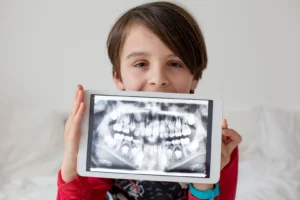
Most people book a dental appointment expecting a familiar routine: a look at the teeth, a cleaning, maybe an X-ray, then a quick conversation about cavities or flossing. That expectation makes sense. Teeth are the most obvious part of the visit, and they are usually the reason someone picks up the phone in the first place.
But a good General Dentist is not only scanning for decay.
During a routine exam, that dentist is often assessing the gums, tongue, cheeks, bite, jaw joints, old dental work, bone support, signs of oral cancer, patterns of wear, dry mouth, and clues that point to broader health concerns. Some of these checks happen in seconds. Others show up in the questions a dentist asks, the way they look under the tongue, or why they pause over an area that does not hurt but does not look quite right either.
Patients are sometimes surprised when a dentist asks about snoring, acid reflux, medications, headaches, pregnancy, diabetes, or whether they grind their teeth at night. On the surface, those topics can feel far removed from molars and fillings. In practice, they are often central to understanding what is happening in the mouth.
The mouth is not separate from the body. It is one of the few places where tissue, bone, saliva, breathing habits, muscle strain, and daily wear can all be observed directly. That makes the dental exam far more valuable than many people realize.
A routine exam is a health screening in disguise
One of the most important things to understand about dentistry is that pain is a poor guide. Serious dental problems can develop quietly for months or years. Early gum disease rarely causes dramatic symptoms. Cracked teeth may only sting occasionally. Oral cancer can begin as a subtle patch or sore that seems harmless. Bone loss does not announce itself with a sharp ache on day one.
That is why the checkup matters.
A General Dentist is trained to look for changes long before they become emergencies. In a typical recall visit, they are not just checking whether a tooth has a hole in it. They are comparing what they see today with what they saw six months or a year ago. Has the gumline receded? Has a small fracture line deepened? Are the tissues at the side of the tongue still smooth and healthy? Is there new wear on the front teeth that suggests nighttime clenching?
Those details may sound minor, but this is where prevention actually happens. Most expensive and painful dental treatment starts as something small that was missed, delayed, or ignored.
Your gums tell a bigger story than most people think
If teeth get the attention, gums often carry the risk.
Healthy gums fit snugly around teeth, bleed very little or not at all, and help protect the bone underneath. Inflamed gums, on the other hand, can signal gingivitis or the beginning stages of periodontal disease. Many patients assume a little bleeding when brushing is normal. It is common, yes. Normal, no.
When a dentist measures the spaces between the gums and teeth, they are checking for the early signs of attachment loss. That measurement helps show whether bacteria and inflammation are starting to damage the structures that hold teeth in place. Once bone is lost, it does not simply grow back on its own. Catching disease early can mean the difference between improved home care and deep cleanings, surgical treatment, or eventually losing teeth.
There is another reason gum checks matter. Chronic gum inflammation does not stay neatly contained inside the mouth. Dentists and physicians have long recognized links between periodontal disease and broader health patterns, especially in patients with diabetes, cardiovascular risk factors, and certain inflammatory conditions. A dental exam is not a substitute for medical care, but it can reveal signs that deserve attention.
I have seen patients come in convinced they just need a cleaning, only to learn that the more urgent issue is gum infection that has been progressing quietly for years. The teeth may still look white enough in the mirror. Underneath, the support system is under strain.
Soft tissue checks can save lives
One of the least appreciated parts of a dental appointment is the oral cancer screening.
This usually includes an inspection of the lips, cheeks, tongue, floor of the mouth, palate, and throat area that can be seen from the dental chair. The dentist may also feel under the jaw or along the neck for enlarged lymph nodes or unusual firmness. It is brief, but it matters.
Oral cancer does not always look dramatic in the early stages. It can appear as a white patch, a red patch, a sore that does not heal, a roughened area, or a spot that bleeds easily. Some lesions are painful. Many are not. Patients often miss them because the area is hard to see, or because they assume it is irritation from biting the cheek or eating something sharp.
A vigilant General Dentist develops a memory for what healthy tissue should look like and a healthy skepticism when something is off. Not every suspicious area is cancer. Far from it. Dentists often see harmless friction spots, canker sores, fungal changes, and irritation from appliances. The skill lies in knowing what to monitor, what to recheck, and what needs referral or biopsy without delay.
That judgment matters more than people realize. A lesion found early may lead to a straightforward intervention. The same lesion discovered late can carry far heavier consequences.
Old fillings, crowns, and dental work do not last forever
Patients sometimes feel blindsided when a dentist recommends replacing a filling or crown that is not causing pain. The common reaction is understandable: if it is not broken, why touch it?
Because many restorations fail at the edges first.
A filling can look acceptable from above while decay starts sneaking in underneath. A crown may still be intact while the tooth margin around it softens. Cement can wash out. Tiny cracks can develop. A contact between teeth can trap food. Wear can change how forces are distributed across the bite. X-rays help, but not every failing restoration is obvious on film. Much of the diagnosis comes from direct examination and experience.
This is one area where patients benefit from having a long-term dental home. A dentist who has seen the same mouth over several years can often spot subtle changes that a one-time emergency provider might not catch. They know which tooth had a borderline crack last year. They remember which crown has been accumulating plaque at the margin. They notice when a filling that was stable is now staining in a way that suggests leakage.
The goal is not to replace every old restoration on principle. Good dentists know overtreatment is a real concern. The goal is to intervene when the risk of waiting becomes higher than the risk of acting.
Bite problems leave clues all over the mouth
Teeth are not passive structures. They absorb force thousands of times a day. Over time, the pattern of those forces leaves evidence.
A General Dentist will often examine how your teeth come together, how they slide against each other, and whether specific teeth are carrying too much load. Flattened chewing surfaces, chipped edges, gum recession around certain teeth, notches near the gumline, cracked cusps, and tenderness when biting can all reflect bite stress.
Some patients grind visibly. Others clench silently. They may never hear themselves do it. Their partner may notice the sound at night, or they may wake with jaw fatigue, headaches, or a tight feeling near the temples. In other cases, the signs show up only in the teeth. A patient in their thirties can already have the wear pattern of someone much older if the clenching is heavy and prolonged.
This matters because a bite issue rarely stays isolated. One overloaded tooth can fracture. A cracked molar can lead to root canal treatment or extraction. Muscle strain can trigger morning headaches that patients assume are unrelated to the mouth. Recession may worsen in areas taking repeated stress.
Dentists do not all approach bite concerns in exactly the same way, and that is appropriate. Some patients need only monitoring and a night guard. Others need a filling adjusted, a cracked cusp restored, or orthodontic treatment considered. The right recommendation depends on the severity, symptoms, and the overall condition of the mouth.
Your jaw joints and muscles are part of the picture
When a dentist asks whether your jaw clicks, locks, or gets sore, they are not making small talk.
The temporomandibular joints and the surrounding muscles work constantly. If the bite is unstable, if clenching is intense, or if there has been previous injury, these joints and muscles can become irritated. Patients may describe ear-area pain, difficulty opening wide, popping sounds, or headaches they have carried for years.
Not every click means a serious disorder. Plenty of people have harmless joint noise. Not every headache starts in the jaw, either. Dentistry requires restraint as much as intervention. Still, a dentist should screen for these issues because pain around the face and jaw is often misunderstood. People bounce between primary care, ENT visits, and over-the-counter remedies before anyone takes a careful look at how the jaw functions.
Sometimes the most useful part of the appointment is simply connecting the dots. The worn teeth, tender chewing muscles, and morning temple headaches may all be part of the same pattern.
Saliva, medications, and dry mouth deserve attention
Saliva does more work than most people realize. It helps buffer acids, wash away food debris, support digestion, and protect enamel. When saliva drops, cavity risk can rise fast.
A dentist who asks about medications is often trying to understand dry mouth. Many common prescriptions can reduce salivary flow, including medications used for blood pressure, anxiety, depression, allergies, bladder control, and sleep. Cancer treatment, autoimmune conditions, and mouth breathing can also contribute.
Patients with dry mouth often do not describe it directly at first. They may say they need water at night, that dry foods feel harder to swallow, that their lips crack, or that they keep getting cavities despite brushing. A dentist may see a sticky oral environment, a lack of the usual salivary pooling, or a sudden burst of decay around the gumline.
This is not a small quality-of-life issue. Severe dry mouth can change comfort, speech, sleep, taste, and the long-term prognosis of the teeth. A good dental exam takes it seriously and adjusts prevention strategies accordingly.
The mouth can reveal stress before patients say it out loud
There is a practical side to dentistry that textbooks only partially capture. You begin to notice how often the mouth reflects what is happening in the rest of a person's life.
During especially stressful periods, some patients return with fractured fillings, sore jaw muscles, scalloped tongues from pressing against the teeth, or mouth ulcers that keep recurring. Students during exams, caregivers under strain, people navigating divorce, financial pressure, or grief, all may show changes in the mouth before they mention stress directly.
That does not mean every dental problem is psychological. Far from it. A cracked tooth is still a cracked tooth. Gum disease is still a bacterial and inflammatory process. But real clinical judgment includes recognizing behavior and context. If someone starts wearing through a new night guard in months, the conversation should go beyond "you grind" to "what changed?"
Sometimes the most useful advice a General Dentist gives is highly practical: protect the teeth, yes, but also examine sleep, hydration, reflux, medications, and stress load, because all of those may be feeding the problem.
Dentists also look for signs of acid damage
Not all tooth wear comes from grinding. Acid leaves a different signature.
A dentist may notice thinning enamel, smooth scooped-out areas, increased translucency at the edges of front teeth, or sensitivity in places where brushing alone would not explain the damage. The cause might be dietary, such as frequent soda, sports drinks, lemon water, or sour candies. In other patients, it may be medical, tied to reflux, chronic vomiting, or an eating disorder.
This is a delicate area of care. It requires tact. Patients can feel embarrassed, defensive, or surprised. A thoughtful dentist does not jump to conclusions. They gather clues, ask General Dentist Aspenwood Dental Associates careful questions, and explain what the teeth are showing.
The reason this matters is simple: if the source of the acid continues, repair work may fail prematurely. Bonding, fillings, and crowns can restore form and function, but they cannot succeed long term if the environment is still eroding the teeth. Treatment planning only works when the cause is addressed along with the damage.
Children and older adults need different kinds of screening
A comprehensive exam looks different at different stages of life.
In children, a dentist is often tracking eruption patterns, jaw development, oral habits like thumb sucking, cavity risk, and whether orthodontic issues are becoming significant. A baby tooth that does not exfoliate on schedule or a permanent tooth that is coming in off course may need early intervention. This is not about cosmetic perfection. It is about helping normal development stay on track.
In older adults, the emphasis often shifts. Root surfaces may be exposed and more vulnerable to decay. Existing crowns, bridges, implants, and partial dentures require close maintenance. Arthritis may make home care harder. Medications accumulate, and with them, dry mouth. Gum recession, bone loss, and wear become more common. For some patients, the dental chair also becomes one of the places where cognitive decline or changes in self-care first become visible.
That is one reason continuity matters. A General Dentist often sees patients regularly over decades. They notice when someone who used to maintain excellent hygiene suddenly does not. They notice changes in speech, dexterity, or weight that alter oral health. That longitudinal view is extremely valuable.
X-rays are only one part of the diagnostic picture
Patients sometimes think of X-rays as the definitive answer to everything. They are important, but they are not magic.
X-rays can reveal decay between teeth, bone levels, infection at root tips, impacted teeth, and other structures that cannot be seen directly. But some cracks will not show. Early soft tissue problems will not show. Bite issues will not show clearly. Certain lesions are diagnosed more by clinical appearance than by imaging.
A strong dental exam combines several streams of information at once: what the patient feels, what the tissues look like, what the teeth do under pressure, what the X-rays suggest, and what has changed over time. Experienced dentists rarely rely on one sign alone. They build a case from patterns.
That can also explain why two visits sometimes unfold differently. A dentist may choose to watch a questionable area if the evidence is incomplete, then act six months later if the pattern becomes clearer. Good care is not always immediate treatment. Often, it is careful observation paired with timely intervention.
Questions your dentist asks are part of the exam
Patients tend to separate the "talking part" from the "checking part," but they are closely linked.
When a dentist asks about bleeding gums, sensitivity to cold, jaw pain, pregnancy, recent illness, snoring, diabetes, tobacco use, alcohol use, medications, or changes in medical history, those questions shape the exam. They influence X-ray decisions, anesthesia planning, decay risk assessment, periodontal interpretation, and how urgently certain findings need to be addressed.
A few examples illustrate this well:
- Frequent snoring and mouth breathing may point toward dry mouth, gum irritation, and elevated cavity risk.
- Diabetes can affect healing and gum health, especially if blood sugar control has been difficult.
- New medications may explain sudden dry mouth or tissue changes.
- Pregnancy can increase gum inflammation and change how the tissues respond to plaque.
- A history of head and neck radiation changes cavity risk dramatically and requires a more protective strategy.
Without General Dentist that context, dental findings can be misread. With it, they make sense.
What patients can take from all of this
If your dentist spends time examining your cheeks, pressing lightly near your jaw, measuring your gums, discussing medications, or studying wear patterns on teeth that do not currently hurt, that is not a distraction from "the real issue." It is the real issue, or at least part of it.
The best General Dentist treats the appointment as a chance to understand the whole mouth in function, not just to patch the most visible problem. That broader view is what helps keep small issues small. It is what catches dangerous changes early. It is what prevents a simple visit from turning into a crisis six months later.
Patients often judge a dental visit by whether they got a cleaning or whether a cavity was found. Those things matter. But some of the most important work happens in the quiet, methodical checks that barely register from the chair. A gum measurement here, a tissue exam there, a note that a tooth is beginning to crack, a question about nighttime grinding, a recommendation to investigate dry mouth, a suggestion that a suspicious spot be rechecked soon.
That is the difference between someone who only looks at teeth and a clinician who understands the mouth as part of the larger health picture.
And that is why a thorough dental exam should feel more comprehensive than you expected. It is supposed to.
Aspenwood Dental Associates and Colorado Dental Implant Center
2900 S Peoria St Ste C, Aurora, CO 80014, United States
+1 303-731-4037
FAQ About General Dentist
How long do teeth fillings last in Aurora, CO?
Fillings can last for years, but they are not lifetime restorations. Their durability depends on the material, the size and location of the filling, chewing forces, and oral hygiene. A general dentist can examine a filling for wear, damage, or new decay and explain whether monitoring, repair, or replacement is appropriate. Age alone does not establish that a filling needs replacement.
How Can I Reduce Dental Anxiety?
Tell the dental team about your concerns when booking and again at your visit. Ask for an explanation of each step, agree on a signal for breaks, and consider slow breathing or headphones if the practice permits them. Discuss pain control and any sedation options with the dentist; suitability depends on your health, medicines, and planned treatment.
When should your child first see a dentist in Aurora?
Arrange the first dental visit within six months after the first tooth appears and no later than the first birthday. Early visits allow the dentist to assess development and discuss brushing, fluoride, feeding habits, and cavity prevention. Ask the practice whether it sees infants and how it handles referrals when a child needs specialist care.